
The best gardens aren’t designed around trends. They’re designed around the people who use them.
Style certainly matters, but before choosing paving, planting or furniture, it’s worth taking a step back and thinking about how you actually want to use your garden.
Where will you sit on a warm summer evening? How should the main terrace connect with an outdoor kitchen, garden room, lawn or quieter seating area? Which route will you naturally take through the garden when the weather is wet?
Those decisions shape the layout and help to avoid expensive changes once the paving is down and the planting is in.
If you’re looking for garden design ideas in 2026, this guide explores the styles we’re seeing, how to plan a garden that works for everyday life, and when it’s worth involving a professional landscaper. It’s written specifically for UK gardens, reflecting the conditions, lifestyles and practical considerations we regularly encounter across Essex and Suffolk.
Our approach is always the same: listen first, then walk the garden. This is because seeing the space in person tells us things a photograph cannot, including how the levels feel underfoot, where water gathers, how access works, and which parts of the garden people naturally use.
This becomes especially important on a larger garden redesign. Paving, planting, lighting, drainage, structures and outdoor living areas need to work as one scheme. Treating each part as a separate decision can leave the finished garden feeling disconnected.
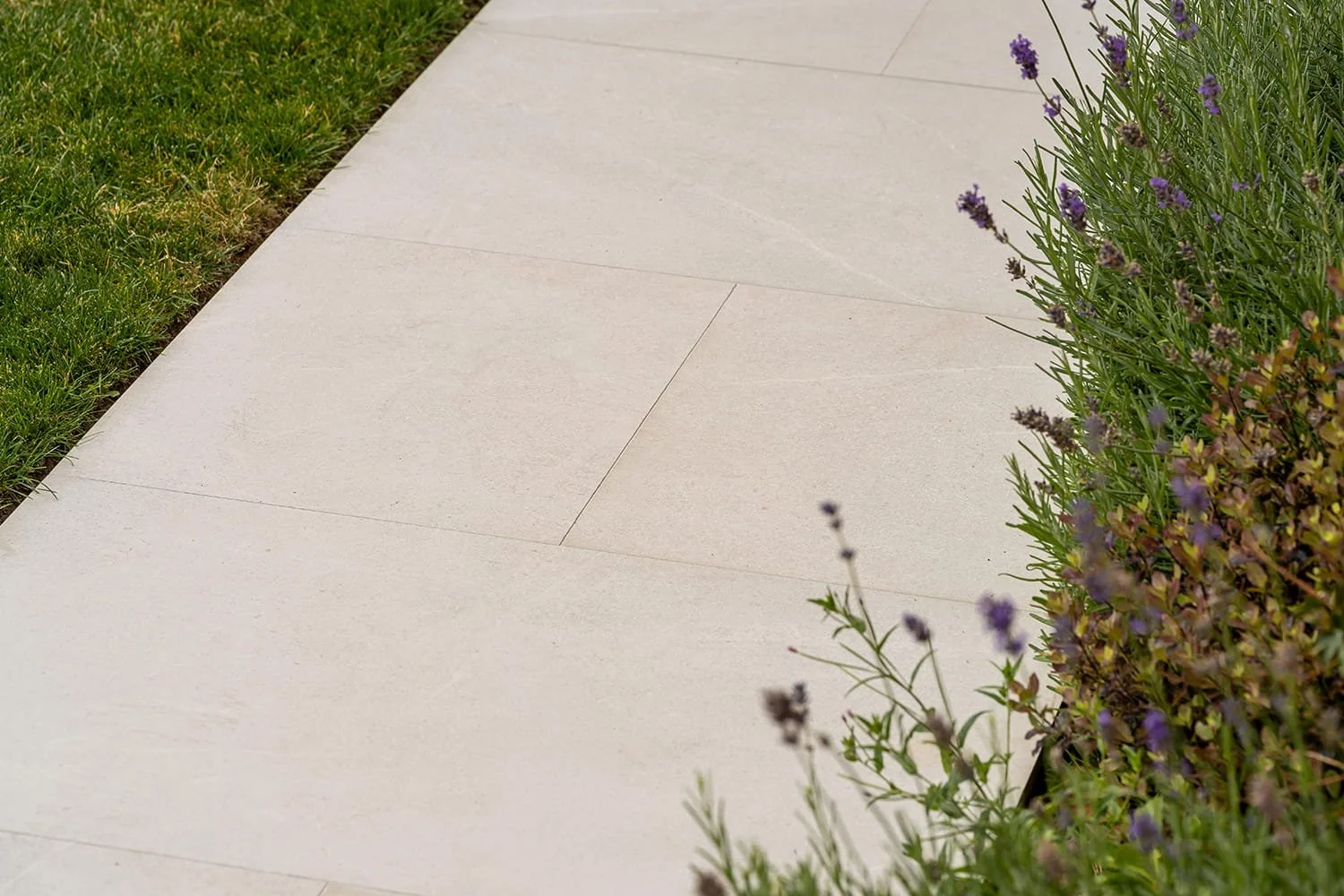
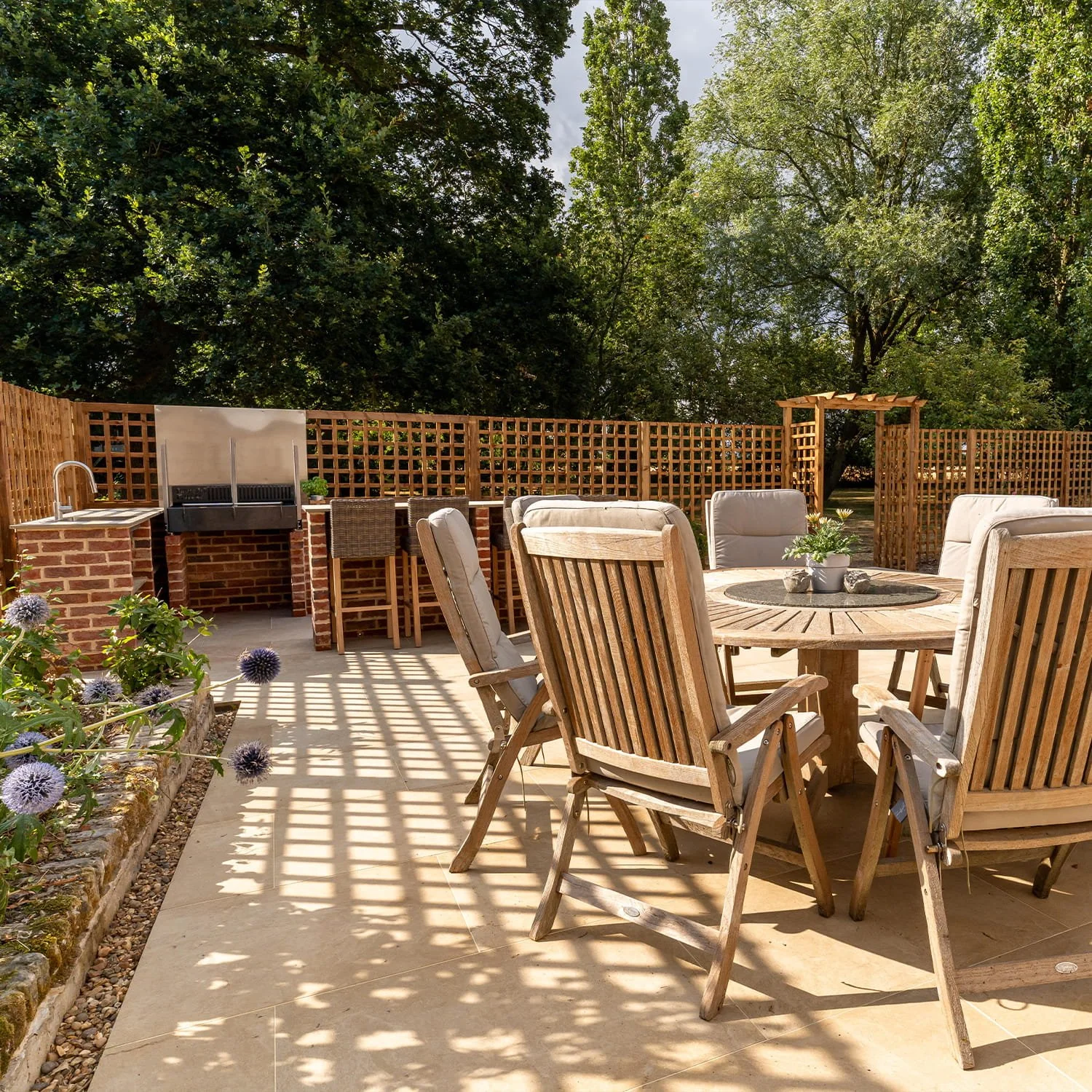
Garden Design Trends Worth Considering In 2026
The most useful garden trends in 2026 are not about chasing a particular look. They are about creating gardens that are more resilient, more enjoyable to use, and better suited to the way we live.
RHS coverage this year has highlighted themes including biodiversity, resilient planting, reused materials and stronger colour. All of these can work well, but the key is knowing which ideas genuinely suit the garden rather than trying to force every trend into one space.
Adding a Bit of Character with Colour
Muted planting schemes still have their place, but richer reds, purples and jewel colours are appearing more often in 2026 garden coverage. A good planting plan considers when different plants flower, how foliage changes through the seasons and how those colours will sit alongside the paving, fencing and the house itself.
Dark-painted fencing, for example, can make green foliage and colourful flowers stand out, while repeating the same colours through different parts of the garden helps create a stronger sense of cohesion.
Used carefully, stronger colour can give a garden much more depth and personality without making it feel busy.
Low Maintenance, Not No Maintenance
There is no such thing as a completely maintenance-free garden.
A genuinely low-maintenance design is about reducing the jobs you do not enjoy and making the remaining ones easier to manage. That might mean generous planted areas with suitable ground cover, a simpler lawn shape, easy access to water, and materials that can be cleaned, repaired or replaced without too much difficulty.
Larger planting beds filled with repeated groups of plants are often easier to maintain than lots of small borders containing individual specimens. Choosing plants that naturally suit the site also reduces the need for watering, feeding and replacing failed plants.
It is also worth thinking carefully before paving most of the garden. Large hard-landscaped areas can increase drainage demands and sometimes leave a space feeling stark or exposed.
A more balanced combination of planting, lawn and hard landscaping often creates a softer, more inviting garden while still keeping maintenance manageable.
Planting That Can Cope With The Site
Hotter dry spells, heavy rain and exposed positions all affect what will thrive. Start with the garden itself: its aspect, soil, shelter and drainage. However good a sun-loving plant looked on the moodboard, it will certainly struggle if placed in deep shade.
Resilient planting does not mean playing it safe or limiting the garden to a narrow palette. It means choosing plants that suit the conditions, preparing the soil properly and giving them enough space to establish and mature.
Repeating the same planting combinations or groups of plants throughout the garden can also help tie different spaces together, creating a more unified design while reducing the complexity of future maintenance.
Done well, the result can still feel abundant, colourful and full of character.
Wildlife-Friendly Details
A wildlife-friendly garden does not have to look wild. Hedges, climbers and mixed planting can provide valuable food and shelter while still sitting comfortably within a tidy, usable layout. Water can also be incorporated, whether through a pond or smaller feature, provided its position, maintenance and safety have been properly considered.
The RHS recommends thinking about walls, fences, hedges, trees and planting as part of the wider habitat. You do not need to hand the whole garden over to nature. Often, a few thoughtful additions can make a noticeable difference without compromising the overall design.
Natural Materials That Age Well
Many homeowners are moving away from gardens that feel overly manufactured and instead choosing materials that weather naturally over time.
Natural stone, reclaimed brick, gravel and timber can all bring warmth and texture to a design while complementing the surrounding planting. Rather than using several different paving styles, selecting one or two materials and repeating them throughout the garden often creates a calmer, more considered appearance.
The best material choices are those that suit both the property and the way the garden will be used, balancing appearance with practicality and longevity.
Four Garden Styles and How They Work
Style / What Defines It / Points To Consider
Modern
Clear lines, restrained materials, structured planting and uncluttered routes.
Precise setting out and careful finishing matter. Too little planting can make it feel stark.
Cottage
Informal paths, layered planting and a relaxed mix of colour and texture.
It needs a realistic maintenance plan and enough access to work among the plants.
Low Maintenance
Simple shapes, robust planting, practical surfaces and fewer awkward edges.
It still needs seasonal care. Plant choice and soil preparation are important.
Wildlife Friendly
Hedges, climbers, varied planting, water and shelter woven into the layout.
Keep paths, seating and family use practical. Safety around water needs planning.
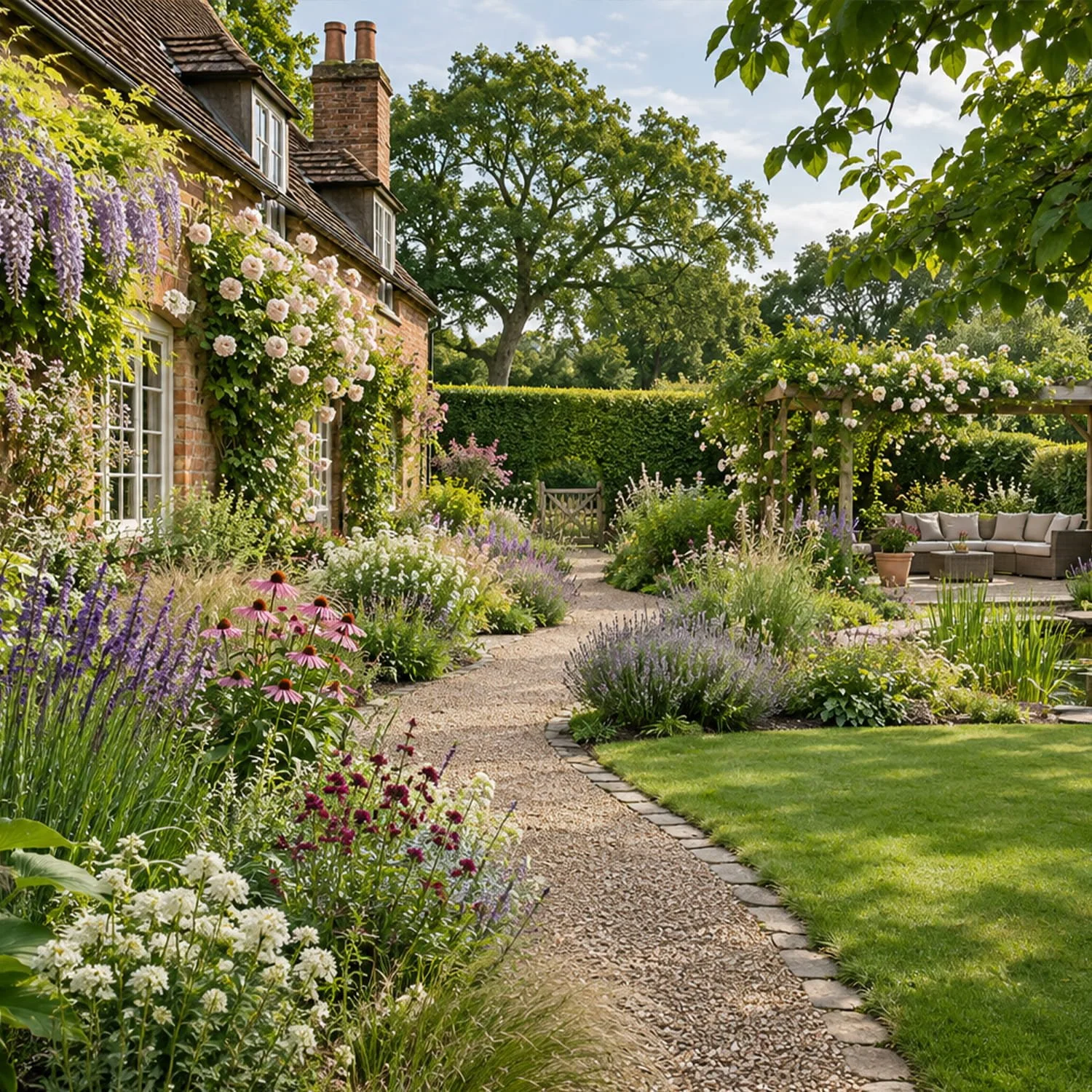
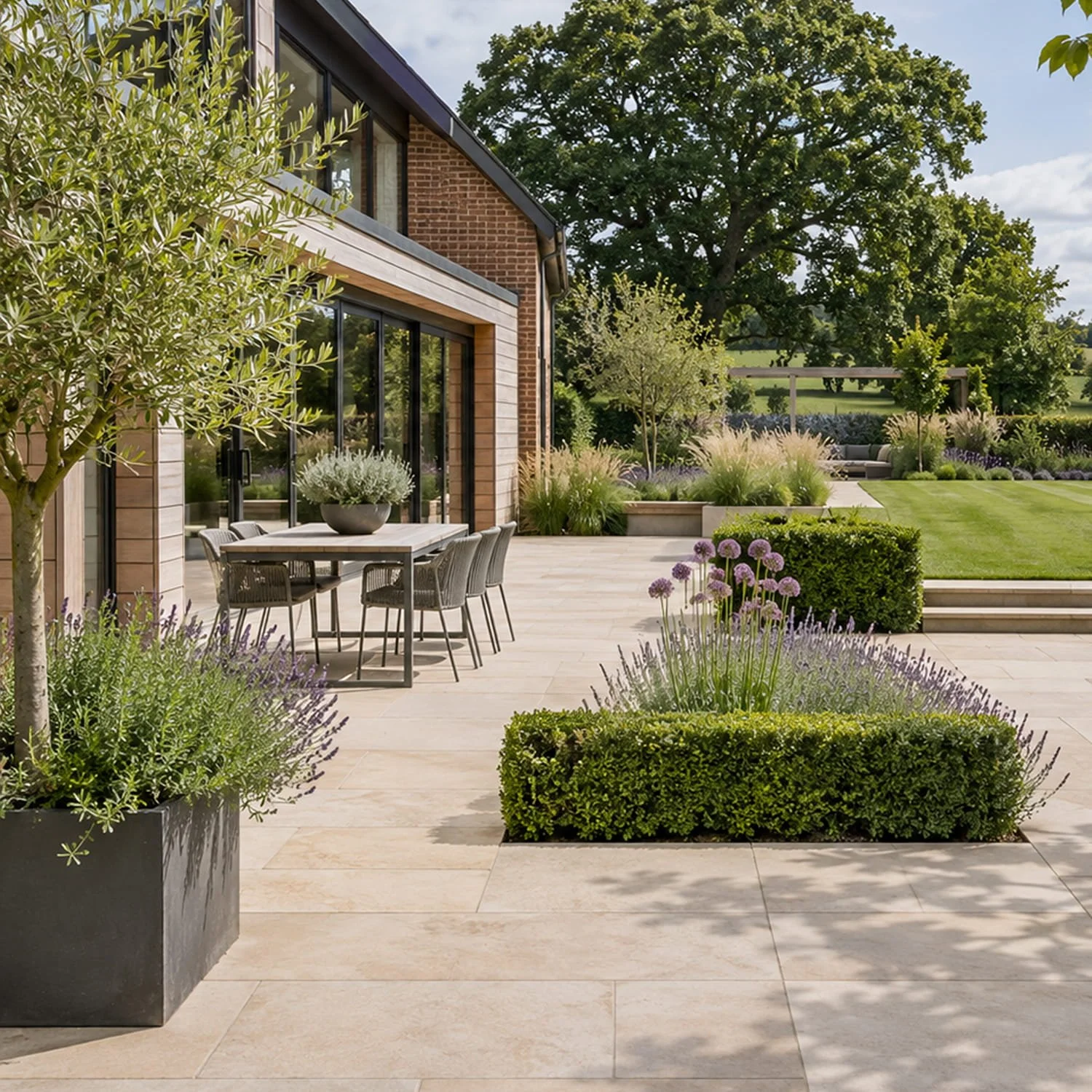
Don’t Forget Outdoor Living
One of the biggest influences on garden design in 2026 is the growing focus on outdoor living. Rather than treating the garden as something to look at, more homeowners are designing spaces that become a genuine extension of the home, whether that’s for entertaining, relaxing, working or simply spending more time outside.
The key is to plan these spaces from the very beginning. Position, access, lighting, power, privacy and planting all need to be considered as part of the overall design. When outdoor features are incorporated from the outset, they feel like a natural part of the landscape rather than an afterthought.
Outdoor Kitchens
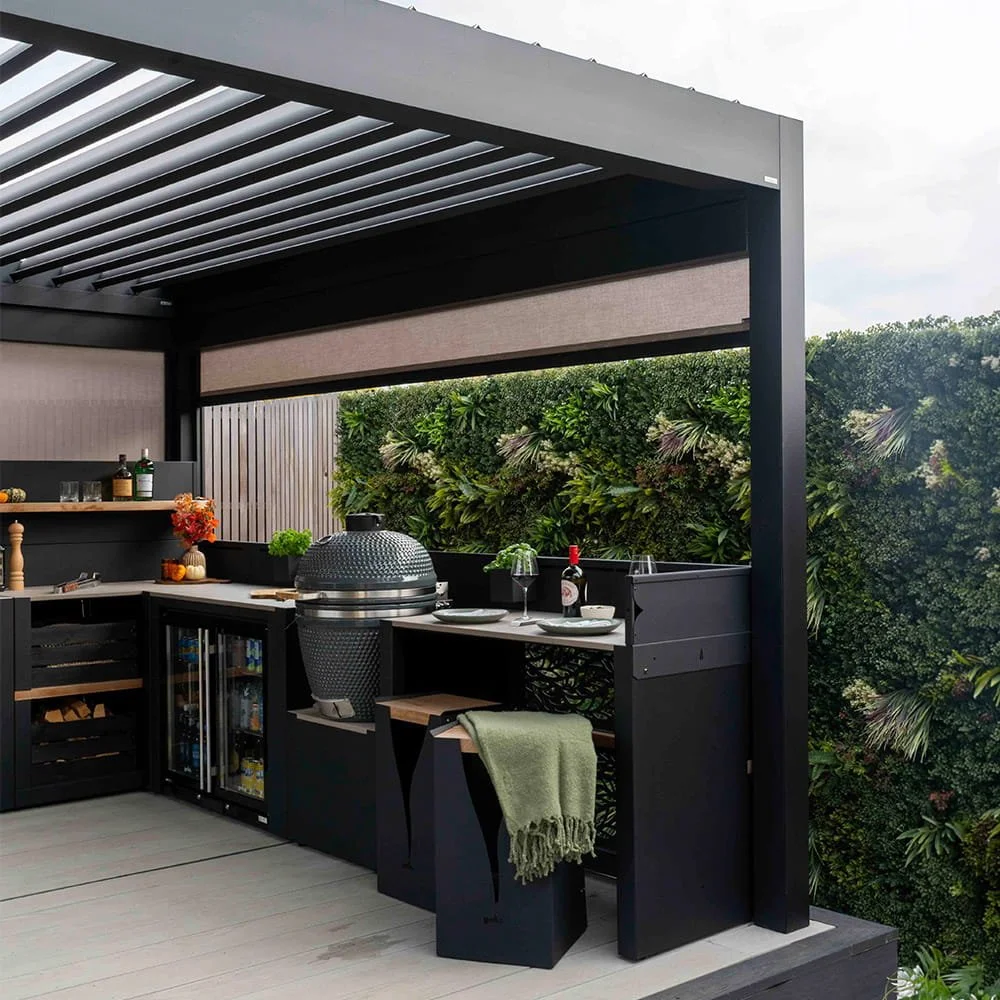
Outdoor kitchens continue to grow in popularity, particularly for those who enjoy cooking and entertaining. Positioning them close to the main terrace or dining area creates a more sociable space, while thoughtful planting can soften hard landscaping and help the kitchen blend into its surroundings.
At LS, we work with Grillo to incorporate outdoor kitchens into the wider garden design, ensuring the layout, materials and planting all work together as one cohesive scheme.
Garden Rooms
Garden rooms have evolved far beyond simple home offices. They can provide a studio, gym, guest space or quiet retreat, but their success depends as much on their setting as the building itself.
Well-planned pathways, planting and views help connect the garden room to the rest of the landscape, making it feel like a destination within the garden rather than a separate structure. Working alongside Chapelstone, we coordinate the landscaping around each garden room to create a seamless finish.
Wellness Spaces
As homeowners look to create more relaxing outdoor environments, features such as saunas are becoming an increasingly popular part of garden design. Careful screening, planting and thoughtful positioning can create a sense of privacy while allowing the space to sit comfortably within the wider landscape.
For customers choosing an outdoor sauna, we work with Aqua Warehouse to ensure the surrounding landscape is designed alongside the installation, creating one unified scheme.
Making The Garden Work After Dark
Good garden design doesn’t stop when the sun goes down. Thoughtfully planned lighting can highlight feature trees, define pathways, create atmosphere around seating areas and extend the time you can comfortably spend outdoors.
Planning lighting, power and audio during the design stage also avoids unnecessary disruption once paving and planting have been completed. Our lighting and audio service can include discreet garden speakers, outdoor screens, task lighting and subtle feature lighting, all integrated into the overall design from the outset.
[Image placeholder: Garden design plan or concept drawing]

We’ve Got the Idea. Now – How Do You Plan a Garden Layout?
By now, you may have a clearer picture of the features and style you’d like to include. The next step is turning those ideas into a layout that works in practice.
Start with a measured plan before choosing materials or plants. Record boundaries, doors, windows, drains, inspection covers, existing trees and any changes in level. Take note of where the sun falls throughout the day, how water behaves after heavy rain and how access works, particularly if materials or machinery will need to pass through the house or a narrow side passage.
Next, think about how you want to use the space. List the different jobs your garden needs to do and decide which are most important. You might want a generous dining terrace, a lawn for children to play on, practical storage, an outdoor kitchen or a quieter seating area away from the house. If you work from home, a garden room may also become an important part of the overall design.
Once you’ve identified the priorities, begin sketching broad zones and the routes between them. Paths should follow natural movement rather than creating awkward detours, while seating areas need enough space to feel comfortable rather than cramped. It’s also worth resolving changes in level early, as steps, retaining walls and drainage can all influence the design and the construction work that follows.
When selecting materials, simplicity often produces the strongest result. Limiting the number of paving styles, edging details and fence finishes helps create a calmer, more cohesive garden, while planting provides seasonal colour, texture and variety throughout the year.
Finally, don’t leave practical details until the end. Lighting, drainage, water supplies and power should all be considered during the design stage. Planning these services before construction begins is usually far easier than trying to install them once paving and planting are complete.
Bringing The Design to Life
A successful garden doesn’t just rely on a good design — it also relies on careful construction. The layout needs to be practical to build, levels need to work, drainage has to be considered and every material requires the right foundations.
Keeping the design and build process connected helps ensure the finished garden reflects the original vision. Whether it’s paving, planting, fencing, drainage or outdoor structures, each element should contribute to one cohesive scheme rather than feeling like separate projects completed over time.
Designing Gardens Across Essex & Suffolk
Gardens across Essex and Suffolk are incredibly varied. Some are open and exposed, while others are sheltered by mature planting or surrounded by established buildings. Clay soils, sandy ground, sloping sites and restricted access can all influence the best design solution.
That’s why, at LS Landscape Solutions, our starting point is always the same: understanding the site and the people who use it. By combining thoughtful design with practical construction knowledge, we create gardens that not only look beautiful but also work for everyday life and continue to mature well for years to come.
Frequently Asked Questions
-
Useful 2026 themes include resilient planting, wildlife-friendly features, reused or natural materials, stronger colour and layouts that are easier to maintain. Choose the ideas that suit your site rather than trying to include every trend.
-
The cost of professional garden design depends on the size of the garden, the complexity of the proposed layout and the level of detail required. A straightforward redesign will typically involve less design work than a larger project that incorporates multiple levels, outdoor living areas or bespoke features.
Other factors include whether detailed site surveys are needed, the extent of the design drawings and whether comprehensive planting plans are required. Each of these can influence the time and expertise involved in developing the design.
At LS Landscape Solutions, we prefer to visit the garden before providing a quotation. This allows us to understand the site, discuss your ideas and establish the scope of design work needed to bring your vision to life.
-
Measure the site, record levels and fixed features, study sun and drainage, then list how the space needs to be used. Arrange broad zones and routes before choosing materials or plants.
-
Garden design sets the layout, materials, planting and practical details. Landscaping is the groundwork and construction that delivers the plan.
-
An experienced design-and-build landscaper can handle many residential gardens. Complex structures, difficult sites or planning constraints may require specialist input. Ask what is included and how technical matters will be managed.
Talk Through Your Garden Ideas
If you are planning a complete garden redesign or substantial landscaping project in Essex or Suffolk, get in touch with LS Landscape Solutions. We will look at how you want to use the space, the conditions on site and the practical route from design to build.